Chinese
 English
 français
 Deutsch
 español
 português
 Nederlands
 日本語
日本語 한국의
한국의




- Rapporto sul mercato delle batterie di potenza in Cina 1H 2026: sei tendenze che ridisegnano la domanda di attrezzature per batterie
- Guida all'allestimento di un laboratorio chiavi in mano per batterie allo stato solido
- Materiali conduttivi per batterie al litio: guida a CNT vs grafene
- Guida passo dopo passo alla collaborazione con uno sviluppatore di tecnologia per batterie agli ioni di sodio in Cina
- Una guida completa all'implementazione della tecnologia industriale per batterie allo stato solido nella produzione
Tendenze nella produzione di batterie agli ioni di litio nel 2026: una guida per gli acquirenti B2B.
Fermatemi se vi sembra una cosa familiare.
Finalmente ottenete l'approvazione per gli investimenti. Passate mesi a confrontare i preventivi per linee di produzione di batterie al litio "chiavi in mano". Visitate tre stabilimenti. Firmate l'ordine di acquisto. E 18 mesi dopo, quando i vostri primi 5 MWh di celle a sacchetto escono dalla linea, il vostro concorrente a pochi passi di distanza sta già spedendo celle a 48 $/kWh con un processo che non avete nemmeno valutato.
Quel divario, tra ciò che hai comprato e ciò che avresti dovuto comprare, è più ampio nel 2026 che in qualsiasi altro momento dell'ultimo decennio.
Ho trascorso 20 anni in fabbrica. Ho visto sale di miscelazione che sembravano panifici e camere di essiccazione che perdevano umidità come un frigorifero rotto. Ho visto amministratori delegati dare il via libera a sistemi di formazione da 4 milioni di dollari che non capivano, solo per poi rendersi conto di aver specificato il protocollo di carica sbagliato per la loro chimica del catodo.
Questo non è un elenco delle "10 tendenze principali". Questo è ciò che vi direi se ci trovassimo alle 2 del mattino davanti a una macchina per la deposizione di pellicole a fessura, a risolvere un problema di assottigliamento dei bordi che sta compromettendo il vostro Cpk.
Ecco i cinque cambiamenti nel settore manifatturiero che conteranno davvero per gli acquirenti B2B nel 2026.
Tendenza 1: La lavorazione con elettrodi a secco passa da "curiosità di laboratorio" a "decisione di investimento".
Cinque anni fa, l'elettrodo a secco era un esperimento di Maxwell Technologies. Nel 2026, è una voce di spesa nel piano di investimenti del vostro concorrente.
Perché questo incide sui tuoi profitti
Il tradizionale processo di rivestimento a umido richiede un forno di essiccazione di 60-80 metri. Tale forno consuma circa il 45% dell'energia totale necessaria per la produzione degli elettrodi. Inoltre, si devono considerare i costi dei sistemi di recupero dell'NMP, che possono essere paragonati a quelli di una piccola abitazione.
L'elettrodo a secco elimina completamente il solvente.
Quali cambiamenti avvengono sul tuo piano?
|
Parametro di processo |
Rivestimento a umido (a base di NMP) |
Elettrodo a secco (PTFE fibrillato) |
|
lunghezza del forno di essiccazione |
60-80 m |
0 m (eliminato) |
|
Consumo energetico / kWh |
Circa 1.200-1.800 per 10.000 celle |
Circa 400-600 per 10.000 celle |
|
superficie calpestabile |
300-500 m² |
80-120 m² |
|
Uniformità del carico di massa areale |
±2,5% (con stampo di precisione per scanalature) |
±1,8% (con controllo della calandratura) |
|
differenza del costo del capitale |
Linea di base |
+15-20% in anticipo, -35% spese operative energetiche |
|
Compatibilità dei materiali |
Certificazione NMC, LFP, LCO |
Ideale per LFP, impegnativo per NMC ad alto contenuto di nichel (>80% Ni) |
Il problema? Fibrillare il PTFE per ottenere una pellicola di elettrodo autoportante non è un'operazione banale. Se la distribuzione del legante non è uniforme, anche solo del 3%, si noterà un calo di capacità dopo 300 cicli, inspiegabile.
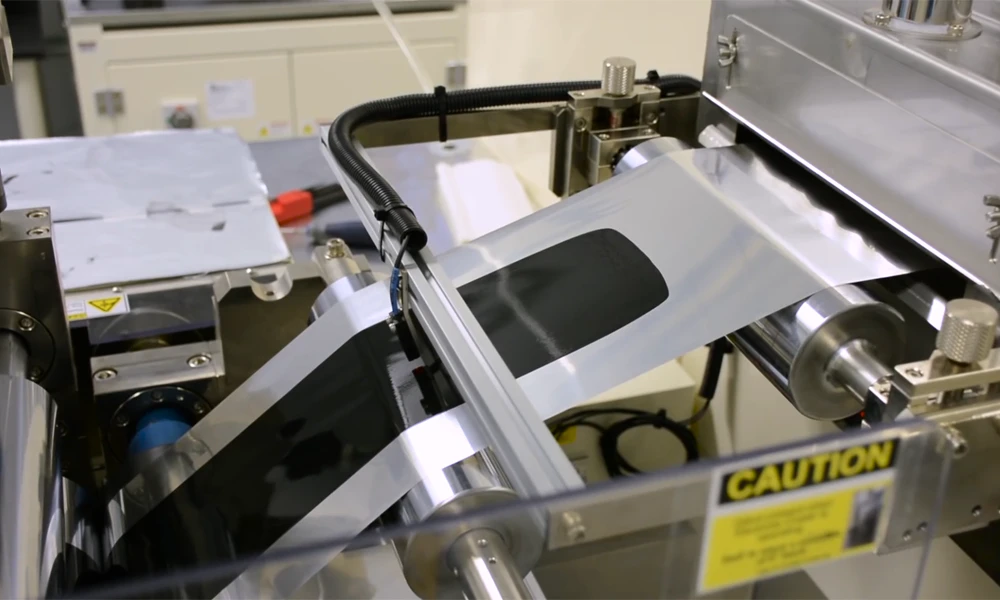
|
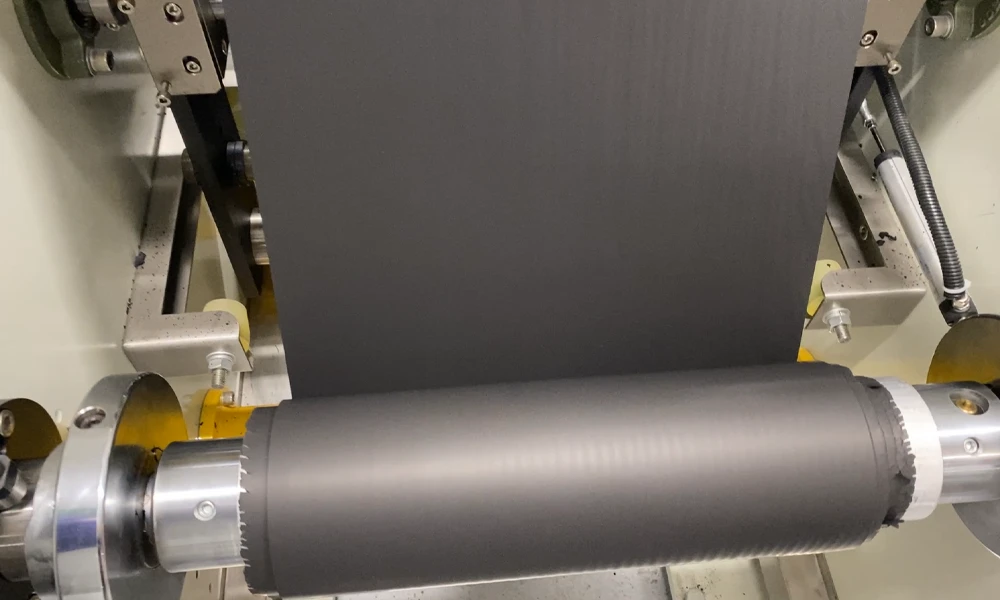
|
|
Linea di calandratura a secco per elettrodi rispetto alla tradizionale linea di rivestimento a umido per la produzione di elettrodi per batterie agli ioni di litio, offerta dal fornitore di apparecchiature chiavi in mano TOB New Energy.
|
|
Cosa devono chiedere gli acquirenti B2B ai fornitori di apparecchiature
- "Qual è l'uniformità di densità del film garantita dopo la calandratura e come viene misurata?"
- "Come si gestisce la uniformità della fibrillazione del PTFE su larghezze del nastro di 1.200 mm?"
- "La vostra linea di produzione può passare dalla modalità a umido a quella a secco, oppure sono vincolato a una sola?"
Se il fornitore non è in grado di rispondere alla seconda domanda indicando uno specifico meccanismo di controllo del taglio, è meglio rinunciare.
Approfondimento ingegneristico: l'elettrodo a secco consente carichi areali più elevati ed elimina i difetti legati al solvente, ma l'uniformità della fibrillazione è il killer silenzioso della resa. Presso TOB New Energy, il nostro Macchina calandrante a secco per film di elettrodi per la produzione di batterie È progettato con feedback di spessore a circuito chiuso e controllo segmentato della pressione dei rulli, puntando a una variazione di densità di ±1,5% su larghezze del nastro di 800 mm. Richiedete al nostro team di processo il rapporto di prova di fibrillazione relativo alla vostra specifica chimica del catodo.
Tendenza 2: La formazione e l'invecchiamento guidati dall'IA non solo faranno risparmiare tempo, ma riscriveranno anche la tua responsabilità in materia di garanzia
La fase di formazione è noiosa. Richiede ore. È il collo di bottiglia di cui nessuno parla alle conferenze di settore perché non è un aspetto affascinante.
Ma ecco cosa ho imparato a mie spese: un protocollo di formazione mal ottimizzato uccide più cellule di qualsiasi difetto di rivestimento.
Il vecchio metodo contro il metodo del 2026
Formazione tradizionale: Corrente fissa. Tensione fissa. Tempo fisso. Una ricetta per ogni cella del lotto.
Problema: Non esistono due celle identiche. La porosità degli elettrodi varia dell'1-2%. Anche la bagnabilità dell'elettrolita varia. La tua ricetta di formazione "standard" prevede la sovra-formazione del 15% delle celle (con conseguente spreco di tempo e degrado dello strato SEI) e la sotto-formazione di un altro 10% (lasciando uno strato SEI instabile che si guasterà sul campo).
Le formazioni adattive basate sull'intelligenza artificiale cambiano le regole del gioco. Monitora le caratteristiche dQ/dV in tempo reale e regola la corrente di carica cella per cella.
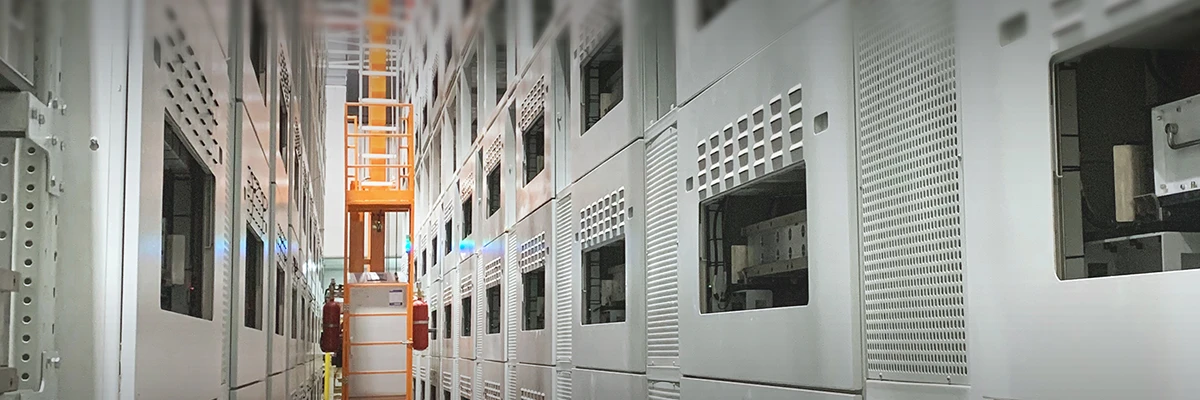
Un produttore cinese di fascia media di apparecchiature per la formazione e la classificazione delle celle delle batterie ora commercializza sistemi con intelligenza artificiale integrata che riducono i tempi di formazione del 22% e migliorano la consistenza della capacità di 1,8 punti percentuali. Non si tratta di marketing. Ho visto i dati SPC.
Risoluzione dei problemi: perdita di capacità di formazione
|
Sintomo |
Probabile causa |
Aggiustare |
|
Elevata perdita di capacità nel primo ciclo (>8%) |
Tempo di bagnatura dell'elettrolita insufficiente |
Prolungare il periodo di riposo di bagnatura a >24 ore a 45 °C |
|
Dispersione della capacità >2% all'interno del lotto |
Distribuzione irregolare della corrente di formazione |
Verificare la resistenza di contatto su tutti i canali; passare al controllo della corrente per canale. |
|
Instabilità dello SEI dopo la formazione |
Temperatura di formazione troppo bassa |
Portare la temperatura a 35-45 °C per gli elettroliti carbonatici standard |
|
Gonfiore delle cellule durante la formazione |
La generazione di gas non viene espulsa nel formato a sacchetto |
Aggiungere una fase di degassamento intermedia al 30% di SOC |
È qui che il tuo Fornitore di sistemi chiavi in mano per la formazione e la classificazione di batterie agli ioni di litio È necessario dimostrare il monitoraggio per singolo canale, non solo le medie per singolo armadio.
Tendenza 3: Le celle cilindriche 4680 e Tableless impongono un ripensamento delle attrezzature di assemblaggio
Il passaggio da 18650/21700 a 4680 non è un semplice ampliamento di scala. Il design a tavole (o "tutto a tavole") modifica radicalmente il layout della linea di assemblaggio.
Cosa si rompe quando si rinuncia al tavolo?
Su una linea di saldatura tradizionale per batterie 18650, si salda una sola linguetta. Una sola. Il percorso della corrente è semplice: elettrodo → linguetta → contenitore. Lunghezza totale del percorso? Forse 40 mm.
Su un progetto di banco prova 4680, stai saldando decine di bordi di elettrodi direttamente alla piastra del collettore di corrente. Ognuno. Singolo. Pezzo.
Se la potenza della saldatura laser varia anche solo del 2%, otterrai:
- Giunzioni fredde su alcune linguette → elevata resistenza interna → riscaldamento localizzato → rischio di instabilità termica
- Bruciatura su altri → contaminazione da metallo → cortocircuito interno
Ho visto una fabbrica scartare 15.000 celle perché le ottiche laser non venivano pulite tra un turno e l'altro. 80.000 dollari. Persi. Perché nessuno aveva controllato una lente.
Tuo Produttore di apparecchiature per l'assemblaggio di celle cilindriche 4680 Deve garantire il monitoraggio della potenza del laser con una variazione inferiore all'1% lungo l'intero percorso del fascio.
Tendenza 4: Il divario di preparazione alla produzione di componenti a stato solido di cui nessuno parla
Le batterie a stato solido stanno arrivando. Ma la catena di fornitura delle apparecchiature di produzione non è ancora pronta.
Non si tratta di un problema di materiali. È un problema di ingegneria.
Verifica pratica della camera di deumidificazione
Gli elettroliti solidi a base di solfuro reagiscono con l'umidità. Violentemente. Le specifiche della tua camera asciutta devono passare da un punto di rugiada di -40 °C (standard per le batterie agli ioni di litio) a -60 °C o inferiore per i solfuri.
Se il punto di rugiada nella vostra camera a secco fluttua anche solo di 5 gradi, da -55 °C a -50 °C, le vostre celle a stato solido al solfuro si degraderanno prima ancora di raggiungere la fase di formazione. Vedrete gas H₂S a livelli di ppm. Il vostro personale verrà evacuato. Le vostre celle saranno inutilizzabili.
Pressatura isostatica: il collo di bottiglia che non avete previsto nel budget.
Le celle a stato solido necessitano di una pressatura isostatica ad alta pressione per ottenere un contatto solido-solido tra l'elettrolita e le particelle dell'elettrodo. Stiamo parlando di pressioni comprese tra 300 e 500 MPa.
La tua attuale linea di celle a sacchetto utilizza una pressa a caldo a circa 1-2 MPa. Non puoi adattarla. Hai bisogno di una linea completamente nuova fornitore di presse isostatiche per batterie a stato solido .
Impatto sul budget: aggiungi 180.000-250.000 dollari per ogni stazione di pressatura. Per una linea da 100 MWh, avrai bisogno di 4-6 stazioni. Fai i calcoli.
Tendenza 5: La fragilità della catena di approvvigionamento riscrive il manuale del "fornitore unico".
Entro il primo trimestre del 2026, tre importanti stabilimenti cinesi produttori di macchine per il rivestimento degli elettrodi delle batterie al litio avevano tempi di consegna superiori a 6 mesi. Non si tratta di un problema temporaneo, ma di una questione strutturale.
Acquistare le stesse apparecchiature da due fornitori diversi: più difficile di quanto sembri.
Potreste pensare che l'approvvigionamento da due fornitori significhi "acquistare il 50% dal fornitore A e il 50% dal fornitore B". Ma quando i due fornitori utilizzano architetture PLC incompatibili, il vostro team di manutenzione necessita di due competenze diverse. Se le geometrie delle lame di rivestimento differiscono, i parametri del processo di rivestimento non vengono trasferiti. In questo modo non avrete ridotto alcun rischio.
Cosa faranno i responsabili degli acquisti più lungimiranti nel 2026:
- Specificare prima il sistema di controllo. Siemens, Beckhoff o Mitsubishi. Sceglierne uno per tutte le linee.
- Definisci i parametri del tuo processo. Non lasciare che siano i fornitori a stabilire la viscosità della sospensione. Definiscila tu. Loro si adegueranno.
- Verificate la fonderia, non solo il reparto di assemblaggio. Dove vengono effettuate le colate per i telai di fusione? Se la produzione è esternalizzata, i tempi di consegna non dipendono da loro.
Ecco perché sempre più produttori di batterie si stanno consolidando con un unico fornitore produttore di linee di produzione di massa chiavi in mano per batterie al litio che controlla l'intera catena di fornitura, dalla fusione all'assemblaggio fino al software. Un'unica fonte. Un'unica responsabilità.
Nota strategica sugli acquisti: spedire una linea di batterie dalla Cina o scegliere un fornitore locale non è più solo una questione di prezzo: significa suddividere i tempi di consegna, il rischio di qualità e l'assistenza tecnica. In qualità di produttore diretto a Xiamen, TOB New Energy offre linee di produzione chiavi in mano con team interni specializzati in meccanica, elettricità e software. Nessun subappaltatore. Nessuna scaricabarile. [Richiedi un report completo di audit della catena di fornitura per la tua capacità produttiva prevista] .
Domande frequenti (FAQ)
D: Quanto tempo occorre per installare una linea di produzione chiavi in mano di batterie agli ioni di litio nel 2026?
R: Da 6 a 10 mesi dall'ordine di acquisto alla prima cella prodotta per una linea standard di celle a sacchetto da 100 MWh. Aggiungere 2-3 mesi per le celle cilindriche o a stato solido 4680. Questo include il collaudo di accettazione in fabbrica (FAT) presso lo stabilimento di produzione, la spedizione, l'installazione in loco e la messa in servizio del processo.
D: L'elettrodo a secco è pronto per la produzione di massa di celle per veicoli elettrici?
R: Sì, per la chimica del catodo LFP. La rampa di Tesla 4680 dimostra la validità del concetto, sebbene le rese siano tenute segrete. Per l'NMC ad alto contenuto di nichel, l'elettrodo a secco presenta ancora problemi di compatibilità con i leganti ed è in ritardo di 12-18 mesi nella fase di produzione.
D: Qual è l'errore più grande che commettono gli acquirenti di batterie che si riforniscono per la prima volta dalla Cina?
A: Concentrarsi sul prezzo per macchina anziché sull'OEE (Overall Equipment Effectiveness) dell'intera linea. Un miscelatore economico che introduce una variazione di viscosità del 2% provocherà una serie di difetti di rivestimento, scarti di formatura e richieste di garanzia che costeranno 10 volte il risparmio.
D: Posso produrre celle a elettrolita liquido e celle a stato solido sulla stessa linea di produzione?
R: No. La tecnologia a stato solido richiede specifiche di camera bianca fondamentalmente diverse (punto di rugiada < -60 °C rispetto a -40 °C), stazioni di pressatura isostatica e nessuna apparecchiatura di riempimento con elettroliti liquidi. Tentare di utilizzare una linea condivisa comprometterebbe entrambi i prodotti e comporterebbe il rischio di incidenti legati all'uso di elettroliti a base di solfuro.
Pronti a espandere la vostra attività?
Una linea di produzione non è un carrello della spesa. Non si aggiunge un miscelatore qui, un sistema di rivestimento lì, sperando che i pezzi si incastrino. La differenza tra una linea che raggiunge il 92% di OEE (Overall Equipment Effectiveness) nel primo mese e una che fatica a raggiungere il 70% per due anni si riduce a una sola cosa: il vostro fornitore di attrezzature comprende il processo a fondo quanto voi?
Alla TOB New Energy, produciamo l'intera linea in un unico stabilimento a Xiamen, in Cina. Dal miscelatore planetario sottovuoto industriale per la sospensione di batterie all'impilamento Z automatizzato, alla formazione e all'integrazione MES, spediamo linee completamente collaudate e testate con la vostra chimica catodica prima dell'imballaggio.
Richiedi il layout personalizzato della tua linea di produzione e un'analisi dettagliata dei costi delle attrezzature. Nessun intermediario. Nessun gioco di scaricabarile. Solo una linea diretta con gli ingegneri che hanno progettato le vostre macchine.
 iscriviti a noi